
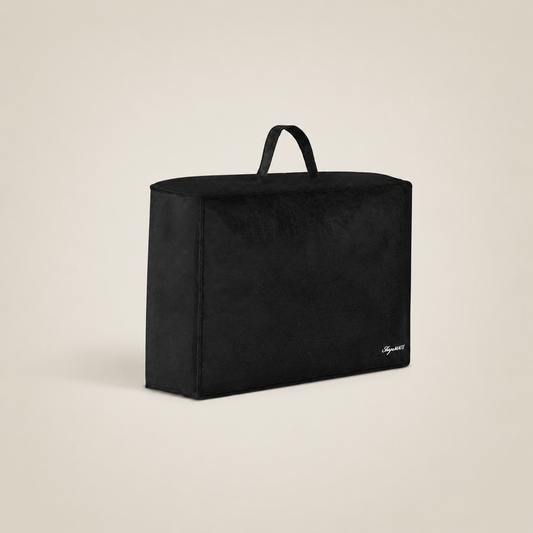
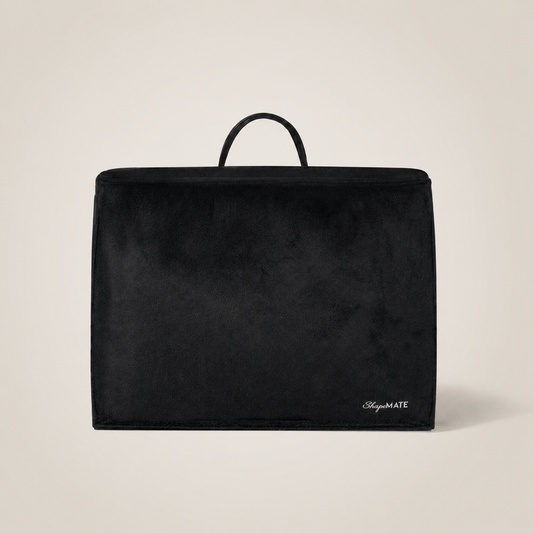
The Tote Bag Dilemma
Tote bags are designed to hold a lotâ€â€but that same flexibility creates a storage nightmare.
Unlike structured handbags, totes have no internal frame. When stored empty, they collapse flat. Sides fold inward, bases crease, and handles droop. Months later, they look deflated and misshapen.
This problem becomes expensive with luxury totes. A Louis Vuitton Neverfull GM in pristine shape retains 70–80% value. With creasing and lost shape? Just 35–40%. That’s a ₹50,000 difference caused purely by storage.
Why Totes Lose Shape Faster
- Material Flexibility: Designed to flex, totes have zero structural support when emptyâ€â€gravity wins fast.
- Size Matters: Larger surface area means deeper folds and permanent creases.
- Handle Stress: Handles bear unnatural stress when totes are hung or stored flat, leading to drooping and seam damage.
- Storage Reality: Tight closets, stacking, and hanging accelerate shape loss.
How Tote Shapers Work Differently
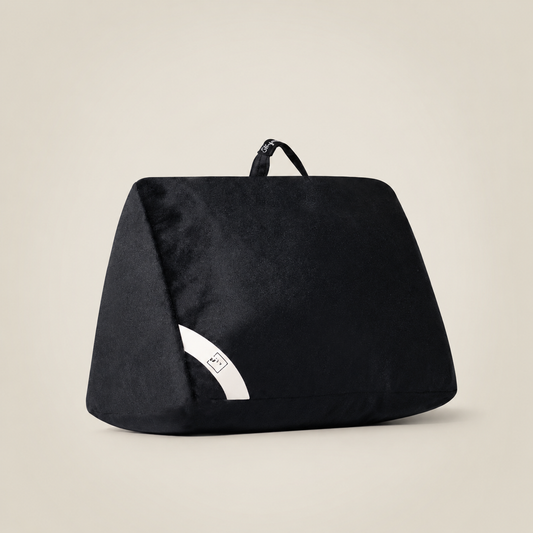
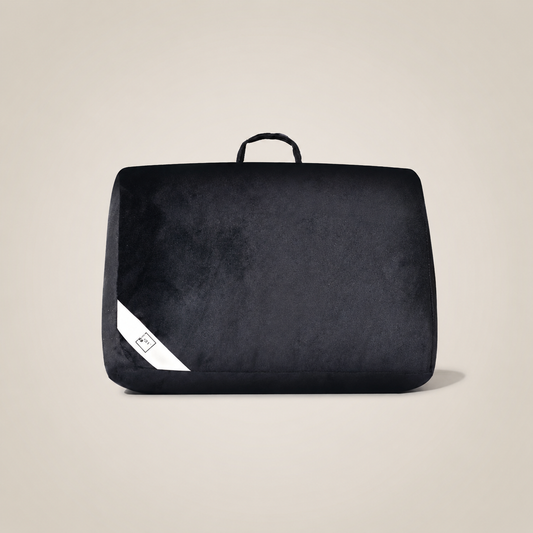
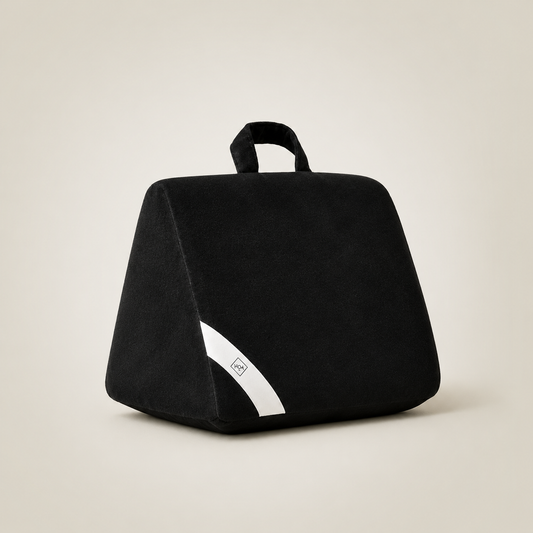
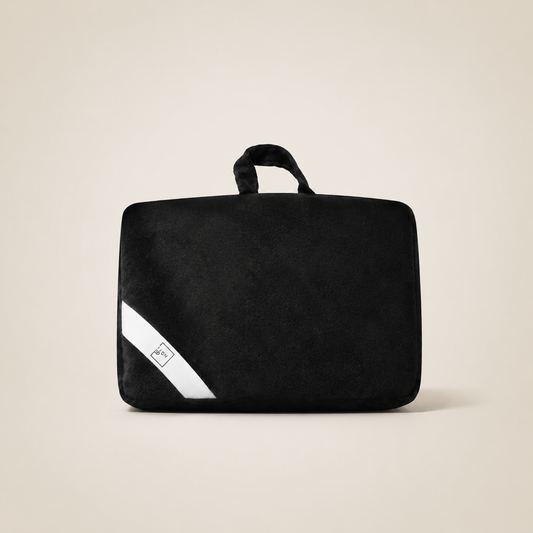
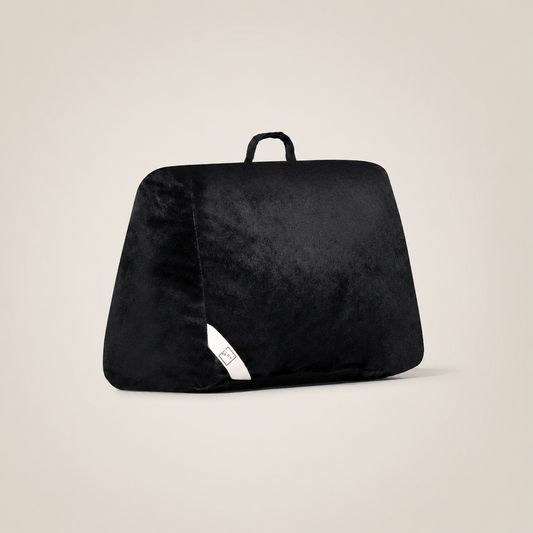
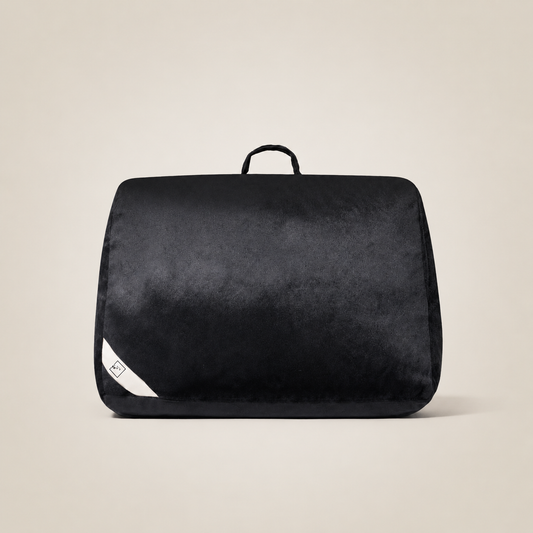
Tote shapers aren’t just bigger handbag shapersâ€â€they’re engineered specifically for totes.
- Wider Support: Designed to support the tote’s width and prevent side collapse.
- Firm Yet Flexible: Provides structure without restricting the bag’s natural movement.
- Bottom Support: Keeps the base flat and prevents permanent horizontal creases.
Perfect for Specific Luxury Totes
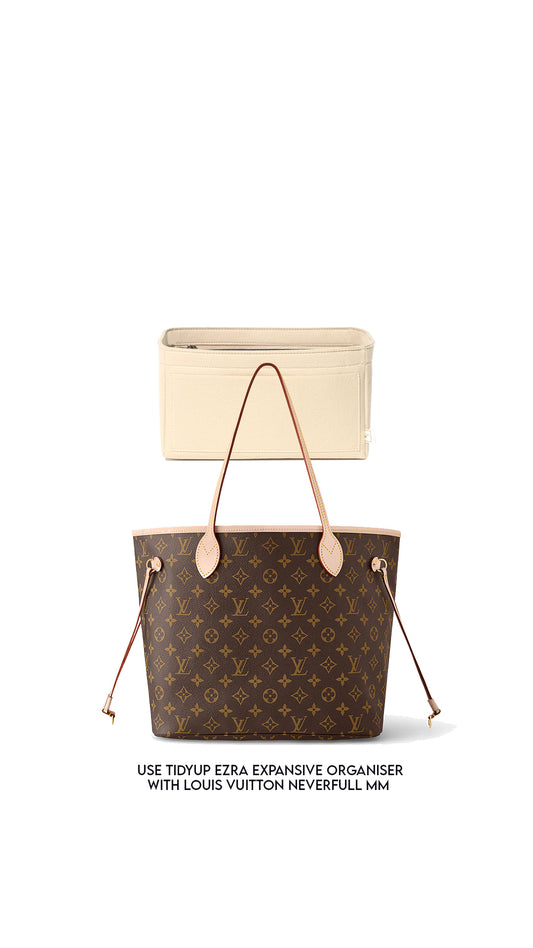
Louis Vuitton Neverfull: Canvas holds creases permanently if unsupported.
- Neverfull MM (31cm): Expansive Shapemate (28cm)
- Neverfull GM (39cm): Magnum Shapemate (32cm) or Grande (35cm)
Goyard St. Louis: Softer canvas creases even faster and may crack along folds.
- St. Louis PM: Expansive Shapemate
- St. Louis GM: Magnum or Grande Shapemate
Dior Book Tote: Structured but benefits from shapersâ€â€especially embroidered versions.
- Medium/Large Book Tote: Expansive or Magnum Shapemate
Longchamp Le Pliage: Nylon wrinkles easily and needs support even for daily bags.
- Large Le Pliage: Expansive Shapemate
Daily Use vs. Storage Strategy
For Rotation Totes (Weekly Use):
- Remove shaper while using the bag
- Reinsert shaper overnight or on weekends
- Allows the bag to recover its shape regularly
For Seasonal or Occasional Totes:
- Clean before storage
- Insert shaper and place in dust bag
- Store upright on a shelfâ€â€never hang
- Air out every 2–3 months
For Investment Totes:
- Professional cleaning if needed
- Shaper + dust bag + original box
- Climate-controlled storage if possible
- Silica gel for moisture control
The Complete Tote Care System
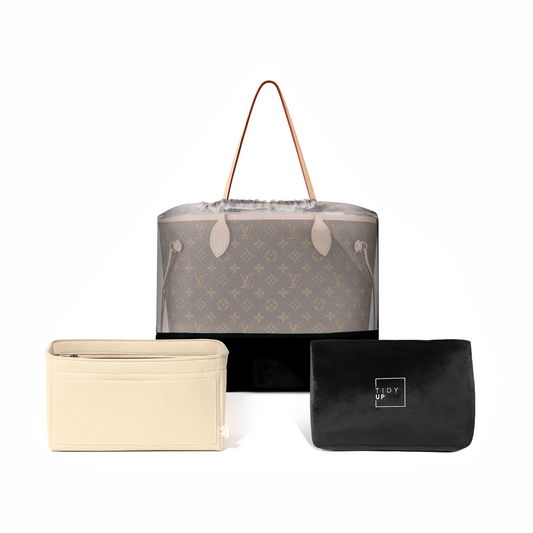
Shapers work best as part of a full tote-care setup:
- Organiser (Daily Use): Keeps contents structured and reduces internal stress.
- Shaper (Storage): Maintains empty bag shape without item weight.
- Dust Bag: Protects exterior from dust, scratches, and color transfer.
Combined cost: ₹3,000–4,000. Value preserved: ₹50,000+. Minimum ROI: 12–16×.
FAQs
My tote already has an organiser. Do I still need a shaper?
Yes. Organisers are for daily use; shapers are for storage. They serve different purposes and work best when used separately.
Can I use a large shaper in a medium tote?
No. Oversized shapers stress seams and stretch material. Always choose one 2–3cm smaller than your tote’s interior width.
How long does a shaper last?
With normal use, 5–10+ years. It’s a one-time investment that protects bags worth lakhs.
My organiser brand claims it maintains shape. Isn’t that enough?
Organisers manage items; shapers maintain structure. When a bag is empty, only a shaper provides full-volume support.