
The Dupatta Storage Challenge
Dupattas are essential elements of Indian wardrobes, yet their length and delicate fabrics make storage challenging. Hanging causes stretching, folding creates creases, and random drawer storage leads to tangled chaos.
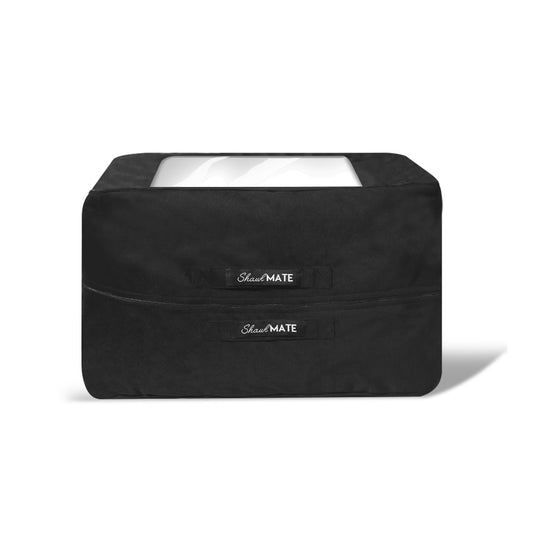
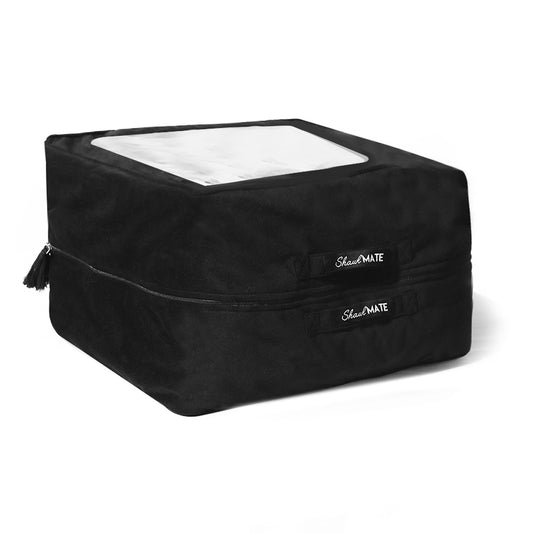
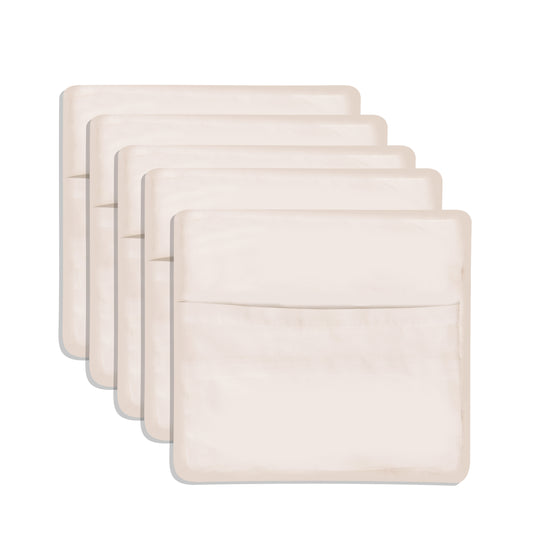
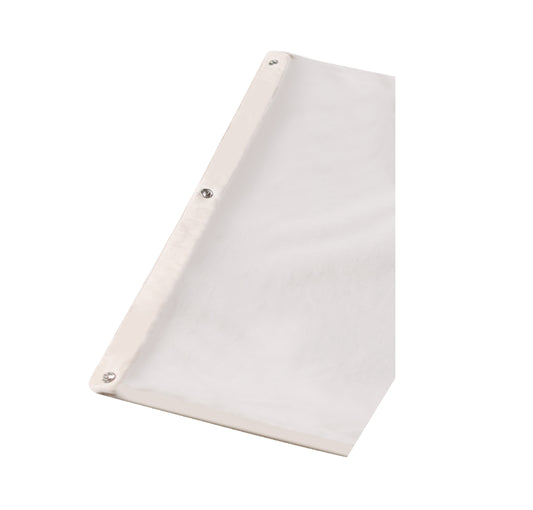
Specialized dupatta organizers solve these culturally specific storage needs through purposeful design that protects fabric, structure, and embellishments.
Understanding Dupatta Varieties
- Silk Dupattas: Traditional silk pieces require gentle storage to prevent snags, creases, and fabric stress.
- Chiffon Dupattas: Lightweight and delicate, chiffon needs support to avoid excessive wrinkling.
- Cotton Dupattas: Everyday cotton dupattas benefit from organization that extends their usable life.
- Embellished Dupattas: Heavy embroidery, mirror work, gota patti, or zari requires careful separation to prevent damage.
- Wedding Dupattas: Precious occasion pieces need preservation to maintain emotional and monetary value.
Storage System Benefits
- Quick Selection: Simplifies morning routines by making outfit-appropriate dupattas easy to find.
- Coordination Facilitation: Organized storage makes matching dupattas to outfits effortless.
- Space Efficiency: Maximizes closet or drawer space while accommodating multiple pieces.
- Condition Preservation: Maintains fabric quality and embellishment integrity over time.
Embellishment Protection
- Heavy Work Dupattas: Individual storage prevents weight from damaging fabric or neighboring pieces.
- Delicate Work: Fine mirror work, gota patti, or beading requires gentle handling to prevent snagging.
- Zari Work: Metallic thread benefits from protected storage to avoid tarnishing and thread breakage.
Seasonal Dupatta Management
- Festival Season: Easy access to wedding and festive dupattas during Diwali and celebration seasons.
- Daily Wear: Everyday dupattas remain accessible while special pieces stay protected.
- Climate Considerations: Organized storage enables smooth rotation between monsoon, summer, and winter dupattas.
Cultural Wardrobe Integration
Dupattas coordinate with multiple traditional outfits, including:
- Salwar kameez sets
- Lehengas
- Anarkalis
- Kurti outfits
- Traditional ensembles
Organized storage helps visualize combinations and plan complete outfits efficiently.
Color Coordination
- By Color Family: Group similar shades together for quick matching.
- By Outfit Set: Store dupattas with matching suits to maintain complete ensembles.
- By Occasion: Separate daily wear from special-occasion pieces for easier selection.
Material-Specific Care
- Silk Care: Breathable storage prevents yellowing and brittleness.
- Chiffon Storage: Minimal compression avoids permanent wrinkles.
- Cotton Maintenance: Organized storage prevents unnecessary creasing.
- Synthetic Blends: Even forgiving fabrics benefit from structured organization.
Multi-Generational Pieces
Traditional dupattas are often passed between family members. Proper storage preserves these meaningful pieces, maintaining their condition for continued use or inheritance.
FAQs
Should I fold or roll dupattas for storage?
Folding works well for most dupattas. Heavily embellished or very delicate pieces benefit from rolling with acid-free tissue to avoid sharp creases.
How do I prevent embellishments from snagging?
Individual storage prevents contact between dupattas. For heavy work, adding tissue paper layers between folds provides extra protection.
Can I store dupattas with matching suit sets?
Yes. If space allows, storing coordinated sets together is ideal and makes outfit selection effortless.