
The Pashmina Care Imperative
Authentic pashmina represents one of the finest natural fibers available. Ultra-soft, incredibly warm, and expensive, genuine pashmina deserves storage methods that match its premium quality.
Improper storage rapidly degrades pashmina through compression, incorrect folding, or exposure to damaging environmental elements.
Understanding Pashmina Fabric
- Ultra-Fine Fibers: Measuring just 12–16 micronsâ€â€finer than human hairâ€â€pashmina offers exceptional softness but requires delicate handling.
- Natural Protein Fiber: Like silk, pashmina contains protein structures that are sensitive to environmental conditions.
- Delicate Construction: Hand-woven craftsmanship, especially in traditional pieces, needs stress-free storage to preserve structure.
Storage Requirements
- Gentle Folding: Never tightly compress pashmina. Soft folds without sharp creases protect fiber integrity.
- Breathable Environment: Air circulation prevents moisture buildup that can damage natural fibers.
- Temperature Control: Cool, stable conditions preserve softness and longevity.
- Moth Protection: Natural animal fibers attract mothsâ€â€preventive strategies are essential.
Individual Piece Storage
Each pashmina should be stored separately to prevent:
- Color transfer between pieces
- Tangling of delicate fibers
- Compression from other textiles
- Cross-contamination of treatments or scents
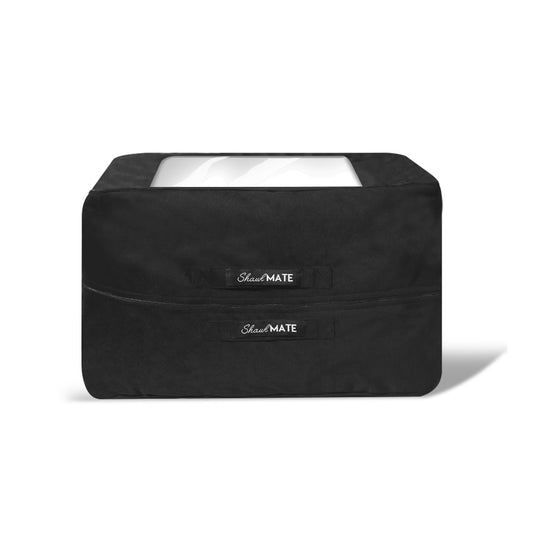
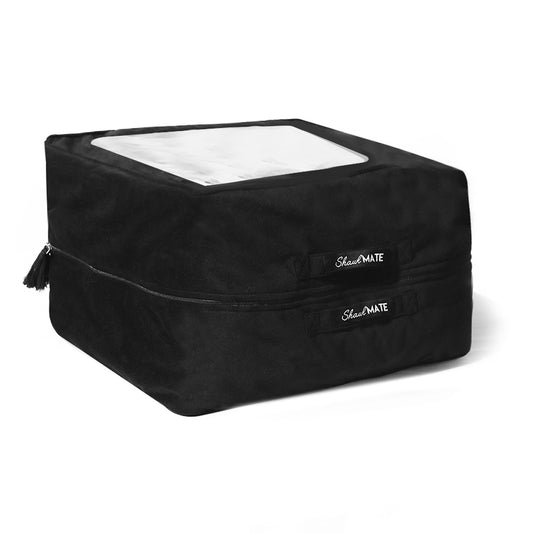
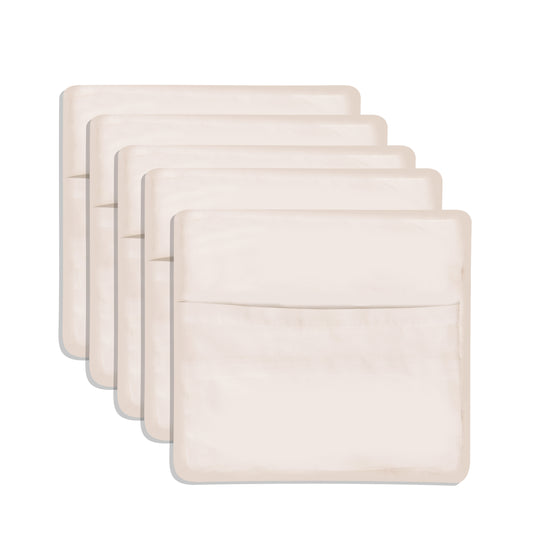
Individual storage sleeves provide this separation while keeping pieces organized and protected.
Preventing Common Damage
- Pilling: Reduced friction through proper storage helps maintain a smooth appearance.
- Fiber Breakage: Gentle folding and adequate support prevent long-term stress damage.
- Color Fading: Shielded storage protects against light exposure.
- Odor Absorption: Enclosed, breathable storage prevents environmental odor absorption.
Seasonal Care Patterns
Active Season Storage: During use, briefly air pashmina between wears, then gently fold into storage sleeves.
Off-Season Storage: For summer months, follow a careful routine:
- Professional cleaning if required
- Complete drying before storage
- Gentle folding
- Placement in storage sleeves
- Cedar for moth protection
- Cool, dry storage location
Authentication Preservation
Valuable pashmina pieces often include authentication or purchase documentation. Storage systems that keep documentation with the garment help preserve provenanceâ€â€important for insurance or resale.
Multi-Generational Pieces
Premium pashmina frequently becomes a family heirloom. Proper storage ensures these pieces remain beautiful and wearable for future generations.
Investment Protection Perspective
High-quality pashmina is both a functional garment and a financial investment. Proper storage:
- Maintains resale value
- Preserves condition for gifting
- Ensures long-term wearability
FAQs
Can I store pashmina in plastic bags?
No. Plastic traps moisture and encourages mold and mildew. Always use breathable storage materials.
How often should I air out stored pashmina?
Every 3–4 months during long-term storage. Gentle shaking removes dust and refreshes fibers.
Is special storage necessary or can I use regular drawers?
Regular drawers are fine, but storage sleeves within drawers provide critical protection from compression, dust, and contact with other items.